
reflective glass colors
Understanding Pressure Control Valve Prices A Comprehensive Guide Pressure control valves are vital components in various industrial applications, ensuring that systems operate safely and efficiently. These valves regulate the pressure of liquids and gases, preventing equipment damage and maintaining operational integrity. However, when considering the implementation of pressure control valves in your systems, one of the foremost aspects to evaluate is their price. Understanding the factors that influence pressure control valve pricing can help you make informed purchasing decisions. Factors Influencing Pressure Control Valve Prices 1. Type of Valve Pressure control valves come in various types, including direct-acting, pilot-operated, and electronic valves. Each type has unique features and benefits, influencing its cost. For example, electronic pressure control valves tend to be more expensive due to their advanced technology and capabilities, while basic mechanical valves are more budget-friendly. 2. Material Composition The materials used in manufacturing pressure control valves significantly impact their prices. Valves constructed from high-quality materials like stainless steel or specialized alloys are often pricier. These materials offer superior durability and resistance to corrosion and high temperatures, making them ideal for demanding applications. 3. Size and Specifications The size of the valve, measured in terms of its nominal diameter and pressure rating, is another critical factor. Larger valves capable of handling higher pressures typically cost more. Additionally, valves designed for specific applications, such as those with unique pressure ratings or flow characteristics, may also come at a premium. 4. Brand and Manufacturer The reputation and reliability of the manufacturer can affect the price of pressure control valves. Well-established brands with a history of high-quality products may charge more due to their trusted reputation. However, investing in reputable brands often pays off in terms of performance and longevity. pressure control valve price 5. Customization and Additional Features Custom valves that require special designs or configurations usually come at a higher cost. Additional features such as advanced control systems, integrated sensors, and feedback mechanisms can also increase the price. Organizations should assess their needs carefully to avoid overpaying for unnecessary features. 6. Market Dynamics Economic factors such as supply chain issues, raw material costs, and global demand can influence pressure control valve prices. For instance, fluctuations in the prices of steel or other essential materials can lead to price adjustments . Furthermore, regional market conditions might cause variations in pricing across different geographical areas. Average Price Ranges While prices for pressure control valves can vary widely based on the factors mentioned above, it's helpful to provide a general idea of what to expect. Basic mechanical pressure control valves can start as low as $150, whereas more complex electronic valves might range from $500 to over $2,000. Custom or specialized valves can exceed these ranges, especially for high-demand industrial applications. Making an Informed Purchase When considering the price of pressure control valves, it's essential not to base your decision solely on cost. Evaluate the total cost of ownership, which includes installation, maintenance, and potential downtime costs. It’s wise to consult with industry experts or suppliers to find the right balance between price and performance that meets your operational needs. In conclusion, pressure control valve prices are influenced by multiple factors, including type, material, size, brand, and additional features. By understanding these elements, you can make more informed purchasing decisions that ensure the efficiency and safety of your systems without compromising your budget. Investing in quality pressure control valves is essential for long-term operational success, so take the time to research and choose wisely.
about
reflective glass colors
Heavy duty check valves are essential components in a variety of industrial applications where preventing backflow is critical. These valves are designed to allow flow in one direction while preventing flow in the opposite direction, ensuring efficient and safe operation of various systems. One of the key features of heavy duty check valves is their robust construction. These valves are typically made from durable materials such as stainless steel, carbon steel, or other high-quality alloys that can withstand high pressures, temperatures, and corrosive environments. This rugged construction ensures that heavy duty check valves can handle the demanding conditions found in industries such as oil and gas, chemical processing, power generation, and water treatment. In addition to their durability, heavy duty check valves are also designed for high performance. These valves are precision-engineered to provide reliable and consistent operation, even in the most challenging conditions. They are capable of handling large flow rates and can withstand frequent opening and closing cycles without compromising their performance. This level of reliability is crucial for ensuring the smooth and efficient operation of industrial systems. Another important aspect of heavy duty check valves is their versatility. These valves are available in a wide range of sizes, pressure ratings, and end connections to suit different applications and installation requirements These valves are available in a wide range of sizes, pressure ratings, and end connections to suit different applications and installation requirements These valves are available in a wide range of sizes, pressure ratings, and end connections to suit different applications and installation requirements These valves are available in a wide range of sizes, pressure ratings, and end connections to suit different applications and installation requirements heavy duty check valve . Whether you need a small check valve for a low-pressure system or a large valve for a high-pressure pipeline, there is a heavy duty check valve that can meet your specific needs. Furthermore, heavy duty check valves are designed to be maintenance-free and easy to install. Once properly installed, these valves require minimal maintenance and can operate efficiently for long periods without the need for frequent inspections or repairs. This not only helps to reduce downtime and maintenance costs but also ensures the continued reliability of industrial systems. Overall, heavy duty check valves play a crucial role in ensuring the safety, efficiency, and reliability of industrial systems. Their durable construction, high performance, versatility, and ease of installation make them indispensable components in a wide range of applications. Whether you are working in the oil and gas industry, chemical processing, power generation, or water treatment, heavy duty check valves are an essential part of your equipment arsenal. With their ability to prevent backflow and maintain flow control, these valves help to ensure that industrial processes run smoothly and effectively.
-

High quality industrial productsagement

High quality industrial products
View Details -

Meet the diverse needs of customers

Meet the diverse needs of customers
View Details -

Strict quality control

Strict quality control
View Details -

Top raw materials

Top raw materials
View Details -

Trusted supplier

Trusted supplier
View Details
Our application

news and information
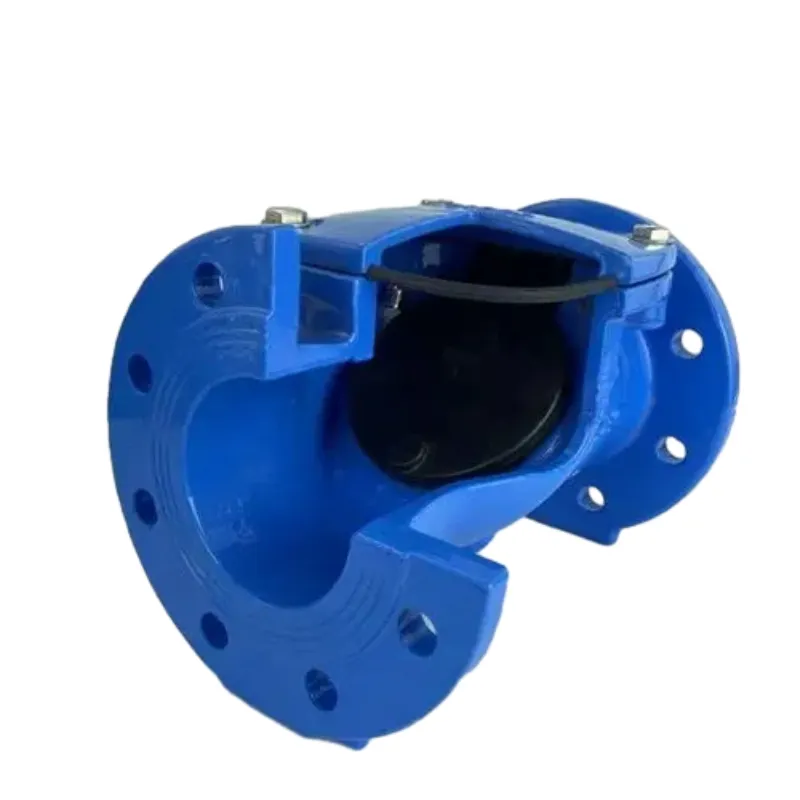
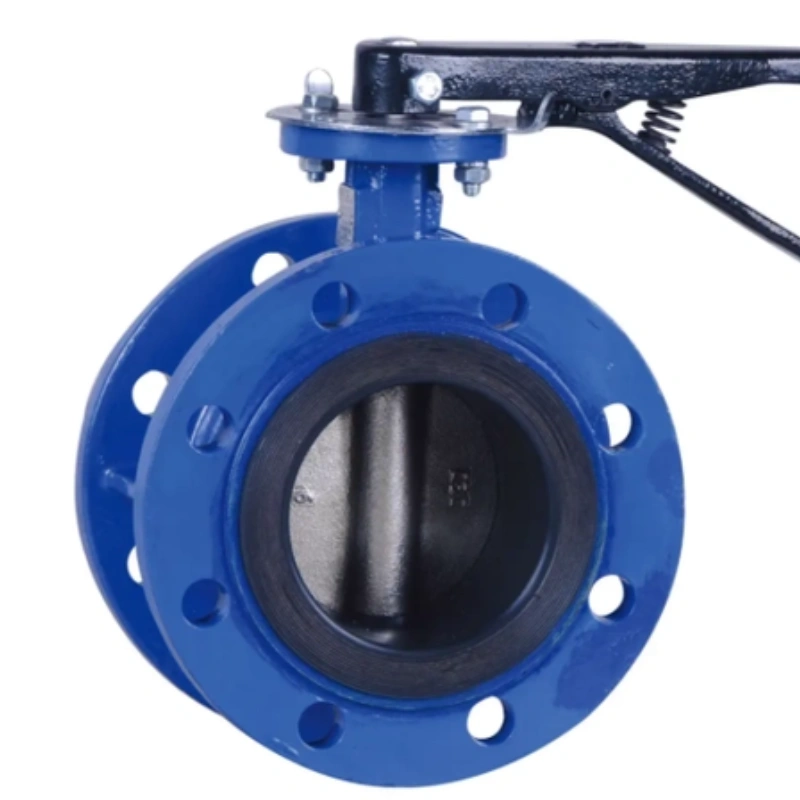
Valvola a farfalla da 250 mm per applicazioni industriali e sistemi di controllo del flusso
Valvola a Farfalla da 250 mm Un Componente Essenziale per la Regolazione dei Fluidi La valvola a far

Y Type Water Strainer for Efficient Filtration and Flow Control Solutions
Understanding Y-Type Water Strainers Functionality and Applications Water strainers are essential co
Wooden joist hanger connectors for secure structural support.
The Importance of Wood Joist Hangers and Connectors in Construction Wood joist hangers and connecto
 English